
Atherton locksmith guide
Vehicle lock, key, and fob guidance for Atherton
A practical guide to car lockouts, key replacement conversations, fob programming questions, and vehicle authorization proof.
Vehicle access
Identify the vehicle problem
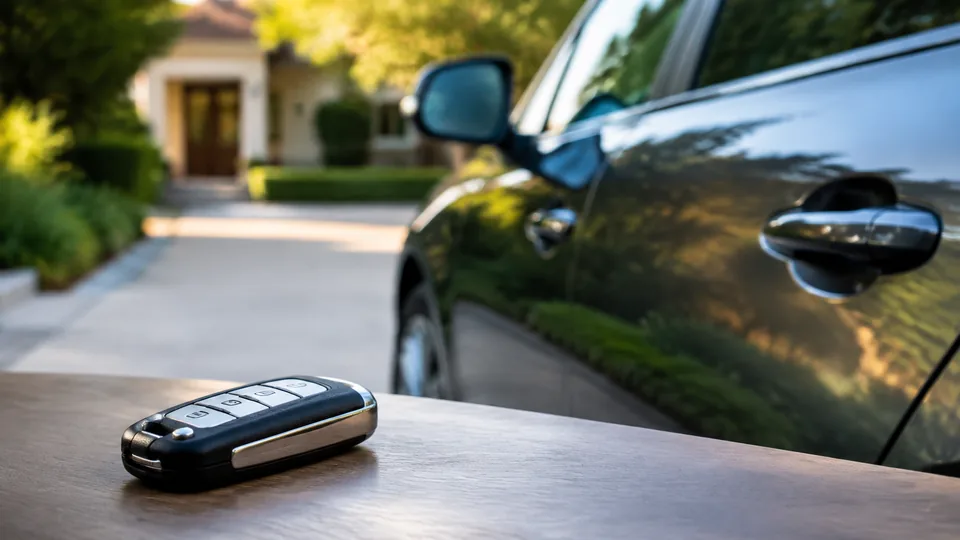
Start by naming the exact issue: keys locked inside, broken key, lost metal blade, damaged remote shell, dead fob battery, immobilizer warning, trunk access, ignition concern, or a door cylinder that will not turn. The clearer the symptom, the easier it is to ask whether the provider can handle that vehicle type without pretending any brand authorization has been verified here.
Vehicle access
Proof before vehicle work
Vehicle access and key work should require proof that the requester is authorized. Registration, title, rental agreement, insurance card, company fleet authorization, or a matching ID may be relevant. If the vehicle is borrowed, shared, or owned by an employer, arrange approval before scheduling. A careful process protects the owner and reduces the chance of delays when the technician arrives.
Vehicle access
Key and fob quote factors
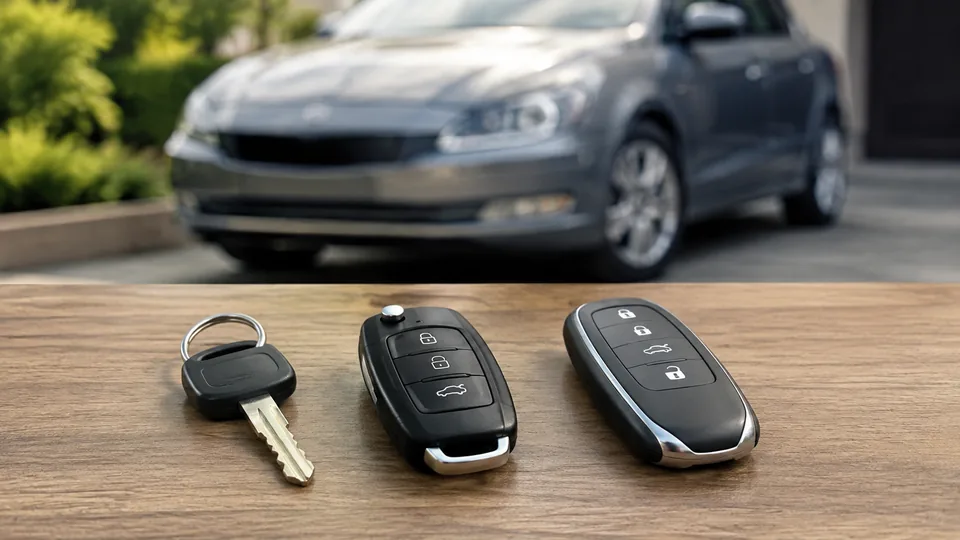
Vehicle year, make, model, trim, existing key availability, transponder type, remote head key, proximity fob, push-button start, immobilizer status, and whether the vehicle can be opened without damage can all affect scope. Some jobs may require dealership tools or manufacturer-specific systems. This guide avoids authorization claims and recommends asking providers to state limits before you approve work.
Vehicle access
Lockout preparation
Stay in a safe place, avoid forcing weather stripping or windows, confirm the vehicle is not running in a dangerous location, and gather ownership proof. If a child, vulnerable person, or animal is inside, contact emergency services first. For non-emergency lockouts, document the vehicle location clearly and ask how the provider verifies identity before opening the car.
Vehicle access
After the vehicle is accessible
Test every function before the visit ends: door lock, trunk, ignition or start button, remote unlock, panic function if present, and spare key behavior. Ask what was changed, what records you should keep, and whether old keys still work. If a fob or immobilizer issue returns, exact notes from the first visit help the next diagnosis.
How to use this guide
Use this page as a preparation document. The strongest use is to copy the questions that match your situation, gather documents that establish authority, and decide which outcomes matter before talking with a provider. A lock that fails because a door is sagging, a fob that fails because the immobilizer is not accepting a signal, and a rekey request caused by lost keys are different problems. The guide helps you name those differences before the conversation becomes rushed. It also gives you a simple record of what to test afterward: keys, codes, latches, fobs, shared entries, old-key behavior, and written scope. For shared properties, offices, gated entries, or home access transitions, write down who needs access after the work and who should no longer have it before any hardware or code is changed.
Questions worth asking first
Ask who can authorize the work, what conditions would change the scope, when non-destructive entry is possible, which parts may be changed, how old keys or codes are handled, and what should be tested before the visit ends.
Preparation checklist
Use this before talking with any provider so the request is specific, authorized, and easier to verify.
- Confirm authority to access or change the property, vehicle, suite, or gate.
- Ask what would change the quote before approving work.
- Request non-destructive options before drilling or replacement.
- Test every changed lock, key, code, fob, or entry before the visit ends.
- Keep receipts and key-control records private.
- Pause when credentials, scope, or limitations are unclear.
Related resources
Related guides keep each service path connected without repeating the same advice on every page.
Blog/Car Key Replacement And Programming Explained
Continue with the next practical guide in the Atherton locksmith decision path.
Open guide
Learn
Continue with the next practical guide in the Atherton locksmith decision path.
Open guideRelated
Faq
Continue with the next practical guide in the Atherton locksmith decision path.
Open guideRelated
Services
Continue with the next practical guide in the Atherton locksmith decision path.
Open guide