
Atherton locksmith guide
Lock rekey planning for Atherton properties
A focused rekeying guide for move-ins, lost keys, staff transitions, tenant changes, and key-control cleanup.
Key control
When rekeying fits
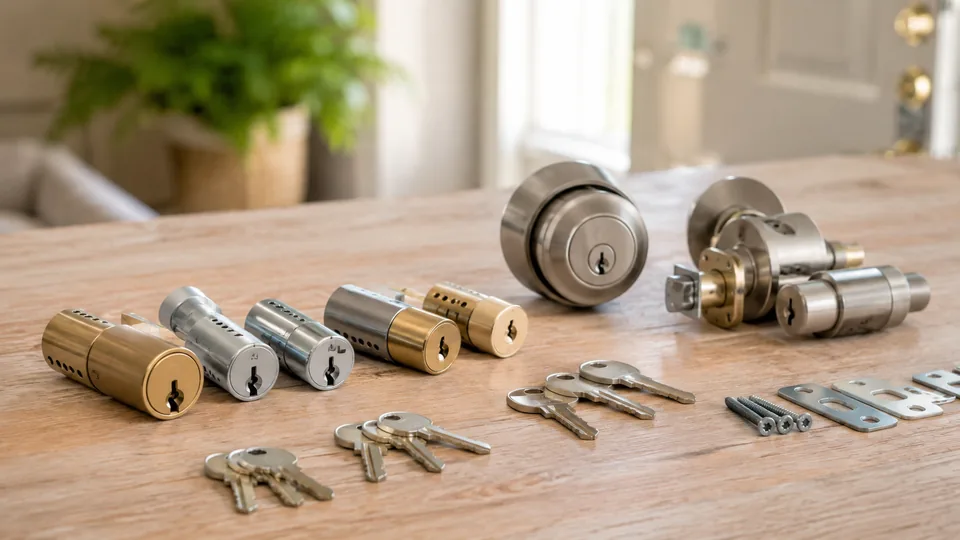
Rekeying is often considered when keys are missing, a resident moves in, a tenant changes, a contractor relationship ends, a staff member leaves, or too many people have copies. It keeps compatible hardware while changing the working key. The lock still needs to be in good physical condition, correctly installed, and compatible with the desired keying plan.
Key control
When replacement fits better
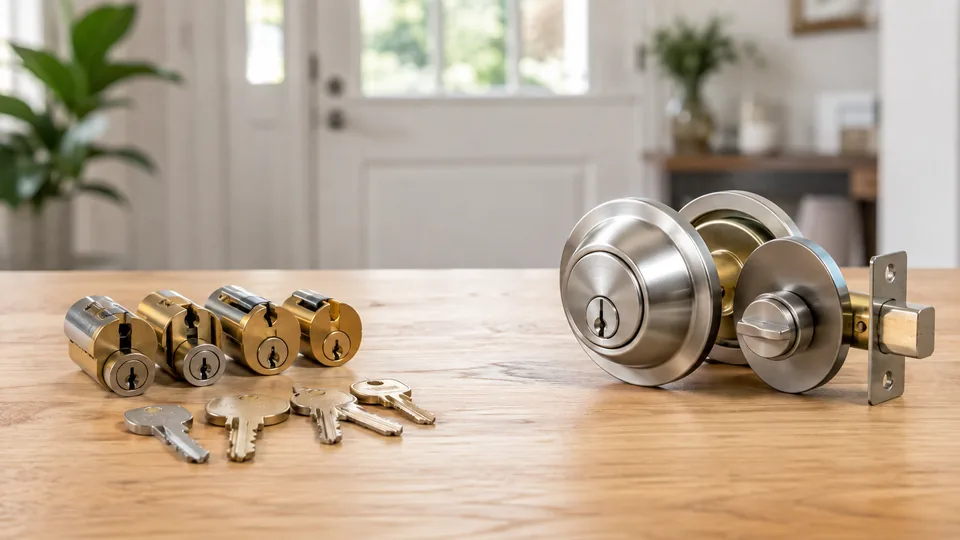
Replacement may be more appropriate when the hardware is worn, damaged, misaligned, corroded, low grade, cosmetically mismatched, or incompatible with a smart-lock or high-security goal. A rekey cannot repair a warped door, broken latch, stripped screw holes, or a deadbolt that cannot extend freely. Ask the provider to separate cylinder issues from door and hardware issues.
Key control
Prepare the keying plan
Decide whether doors should share one key, remain separate, or follow a master-key structure. Count how many keys are needed and who receives them. For businesses or managed homes, write down which people or roles should access each area. A clear keying plan prevents accidental over-access and makes the final test easier.
Key control
Authorization and records
Have proof that you are allowed to change access. For rentals, offices, trusts, managed estates, and shared properties, authorization may need to come from someone other than the person present at the door. Keep receipts and key-control notes somewhere private. Do not publish photos of keys or bitting information online.
Key control
After rekeying
Test each new key in each intended lock, mark any key that should not open a door, and confirm old keys no longer operate changed locks. If a lock is sticky, ask whether it is a cylinder, latch, strike, hinge, weather, or door alignment issue. Rekeying solves key control, not every mechanical problem.
How to use this guide
Use this page as a preparation document. The strongest use is to copy the questions that match your situation, gather documents that establish authority, and decide which outcomes matter before talking with a provider. A lock that fails because a door is sagging, a fob that fails because the immobilizer is not accepting a signal, and a rekey request caused by lost keys are different problems. The guide helps you name those differences before the conversation becomes rushed. It also gives you a simple record of what to test afterward: keys, codes, latches, fobs, shared entries, old-key behavior, and written scope. For shared properties, offices, gated entries, or home access transitions, write down who needs access after the work and who should no longer have it before any hardware or code is changed.
Questions worth asking first
Ask who can authorize the work, what conditions would change the scope, when non-destructive entry is possible, which parts may be changed, how old keys or codes are handled, and what should be tested before the visit ends.
Preparation checklist
Use this before talking with any provider so the request is specific, authorized, and easier to verify.
- Confirm authority to access or change the property, vehicle, suite, or gate.
- Ask what would change the quote before approving work.
- Request non-destructive options before drilling or replacement.
- Test every changed lock, key, code, fob, or entry before the visit ends.
- Keep receipts and key-control records private.
- Pause when credentials, scope, or limitations are unclear.
Related resources
Related guides keep each service path connected without repeating the same advice on every page.
Blog/Rekeying Versus Replacing Locks
Continue with the next practical guide in the Atherton locksmith decision path.
Open guide
Residential Locksmith Atherton
Continue with the next practical guide in the Atherton locksmith decision path.
Open guideRelated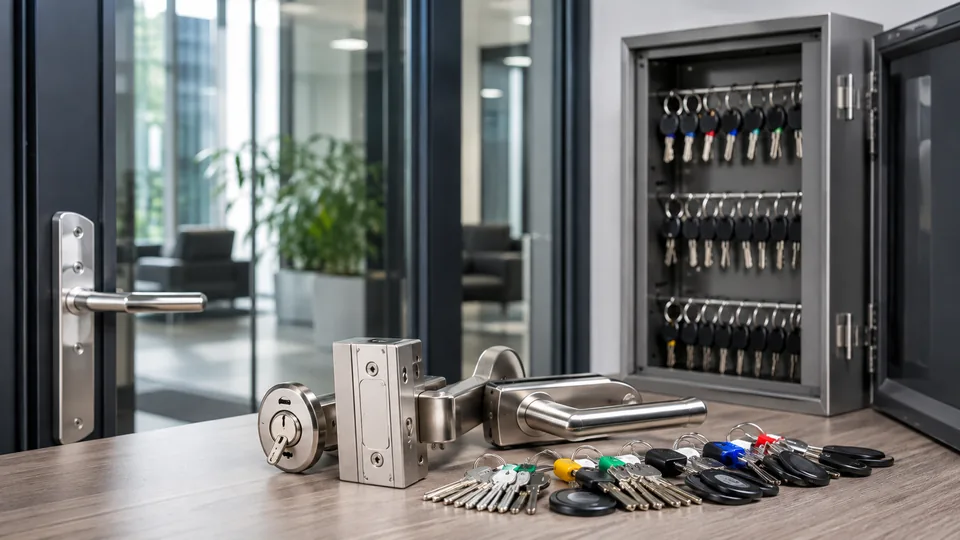
Commercial Locksmith Atherton
Continue with the next practical guide in the Atherton locksmith decision path.
Open guideRelated
Faq
Continue with the next practical guide in the Atherton locksmith decision path.
Open guide